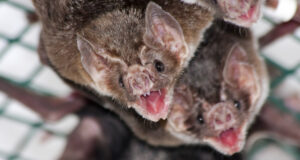


If you’re hearing fluttering at dusk, squeaking in the attic, or catching that sharp “musky” smell that will not go away, bats may be using your Rowlett home as a roost. It usually starts with a small gap along the roofline, soffit, or vent, and once bats find a safe, quiet route in, the activity can build fast without you seeing them during the day. That’s when the mess, the odor, and the stress of not knowing what’s up there really kicks in.
AAAC Wildlife Removal of Dallas handles bat removal in Rowlett, TX with humane, inspection-first wildlife removal services that fix the whole problem instead of chasing symptoms. We identify where the bats are entering, guide them out safely using proper exclusion methods, then seal and reinforce the structure so repeat entry is not part of your future. You get clear answers, a straightforward plan, and a home that feels normal again.
Signs You Have Bats in Your Rowlett, TX Home
Bats are sneaky, so the first clues usually sound or smell “off” before you ever spot a bat. If you’re noticing changes that keep repeating at the same times of day, it’s worth taking seriously, because bat activity tends to grow once they’ve established a comfortable roost and what starts as a small issue can turn into a full infestation.
Common signs include fluttering or light scratching noises in the attic around dusk and just before sunrise, bat droppings and bat guano collecting beneath roofline gaps, and a strong, stale odor that gets worse over time. You might also see brown or black staining near vents or soffits from repeated entry, or even catch bats exiting the roofline at sunset if you watch the home from the yard for a few minutes. Since bats can carry rabies, it’s smart to avoid direct contact and bring in pest control services that can confirm the situation safely and handle the next steps correctly.
Why Bat Problems Need a Specific Removal Method
Bat issues are not solved by “getting one out” and calling it a day, because the real problem is the entry route and the roosting pattern. If the access gap stays open, more bats can keep coming back, and the attic keeps collecting guano and odor even if the noise seems to fade for a week. That’s why homeowners often bring in wildlife specialists who can help with your bat removal using the right process to eliminate the colony’s access routes, not just the visible symptoms.
It also takes the right approach to avoid making the situation worse. Sealing the wrong spot too early can trap bats inside, push them deeper into the structure, or lead to bats showing up in living spaces as they try to find a new exit. A proper plan focuses on humane exclusion first, then sealing and reinforcement after the structure is confirmed clear, and it’s handled by a team with the right license and methods for the job, so your home ends up protected instead of “temporarily quieter.”
Our Bat Removal Process in Rowlett, TX
Bat removal works best when it’s handled like a clean, step-by-step project, not a rushed reaction. AAAC Wildlife Removal of Dallas focuses on humanely exclusion and long-term prevention, so you’re not stuck dealing with repeat entry or that lingering attic odor weeks later.
Step 1: Full-Home Inspection
We inspect the attic and the exterior roofline together to confirm activity, locate roosting areas, and assess guano buildup. We also map every possible entry point, including the smaller gaps that often get missed, so the plan covers the whole structure, not just the most obvious spot.
Step 2: Humane Exclusion Plan
Once we know how the bats are moving, we install one-way exclusion devices at the primary exit points. This allows bats to leave safely without being able to re-enter, which is the key to clearing the home without trapping animals inside or causing them to scatter into harder-to-reach areas.
Step 3: Seal-Up and Reinforcement
After the exclusion phase confirms the bats are out, we seal secondary gaps and reinforce vulnerable areas along the roofline, vents, soffits, and fascia edges. This is the “lock the doors” step that prevents the same colony or a new one from using your home again.
Step 4: Cleanup Support (If Needed)
If guano and odor are part of the problem, we can recommend the right next steps based on what we find, including sanitation guidance and remediation options. The goal is to help you get back to a clean, normal attic space, not just a bat-free one.
Step 5: Final Walkthrough
We walk you through what we found, what was done, and what areas were protected, so you’re not left guessing. You’ll have a clear understanding of how the bats got in and what’s now in place to keep them out.
Where Bats Commonly Get In Around Rowlett Homes
Most bat entry points are not dramatic holes, they’re small construction gaps and roofline weak spots that look harmless until a colony uses them like a daily doorway. In Rowlett, we often see bats take advantage of edges where different materials meet, or where vents and trim create tiny openings that are hard to notice from the ground.
Common entry areas include gaps along the fascia and soffit intersections, gable vents, roof vents, and attic fan vents, plus small separations near chimney flashing and roof returns. Even a narrow opening can be enough, especially if warm air from the attic is escaping and essentially “advertising” a comfortable space. The right fix is identifying every access route during inspection, not just sealing the one spot that looks suspicious.
Health and Home Damage Risks of Bats in the Attic
Bat activity is not just an “annoying noise” problem, especially once guano starts building up. Droppings can pile up beneath roosting spots, seep into insulation, and create a lingering odor that spreads through the home over time, particularly when the attic heats up in the afternoon.
There’s also the hygiene and safety side of it. Guano can impact indoor air quality when it dries out and gets disturbed, and any direct contact situation, like a bat found in a living space, should be treated carefully. The safest path is a controlled removal and exclusion plan that clears the structure, followed by sealing and cleanup guidance based on what the inspection actually shows.
Why Choose AAAC Wildlife Removal of Dallas for Bat Removal in Rowlett, TX
When bats are in your attic, you need more than a quick fix, you need a team that can identify the full entry pattern and shut it down for good. AAAC Wildlife Removal of Dallas takes an inspection-first approach, which means we confirm exactly where bats are roosting, how they’re traveling through the structure, and which gaps are putting your home at risk for repeat entry.
You’ll also get a plan that’s clear and prevention-focused. We use humanely exclusion methods designed to guide bats out safely, then we follow through with professional sealing and reinforcement so your home is protected long-term. No vague explanations, no rushed patch jobs, just a straightforward process that gets your attic back to quiet, clean, and normal.
Schedule Bat Removal in Rowlett, TX Today
If bats are turning your attic into a nightly hangout, you do not have to live with the noise, the smell, or the constant worry about what’s happening above your ceiling. This is the moment to call a professional with the knowledge and experience to handle the situation safely and correctly the first time. AAAC Wildlife Removal of Dallas can inspect your Rowlett home, confirm exactly where the bats are entering, and build a humane exclusion plan that clears the structure without turning your property into a DIY stress project.
Once the bats are out, we focus on the part that actually prevents repeat problems: a thorough seal-up and reinforcement of the entry points that made the roost possible in the first place. Call today to schedule your bat removal inspection and get trusted removal services in Rowlett that bring your attic back to quiet, clean, and normal. We’ll walk you through what we find, explain the next steps clearly, and help you lock down the home so it stays bat-free.
Bat Removal FAQs for Rowlett, TX
How do you remove bats without harming them?
We use humanely exclusion methods that let bats exit the home safely through one-way devices, then we seal and reinforce the entry points after the structure is confirmed clear. This avoids trapping bats inside and focuses on a clean, controlled outcome.
How long does bat removal usually take?
It depends on how many entry points are involved and how active the roost is, but most cases follow a step-by-step timeline: inspection first, then exclusion, then sealing after activity drops and the home is cleared. The goal is to do it correctly, not just quickly, so it doesn’t become a repeat problem.
Will you seal the holes so they can’t come back?
Yes, sealing and reinforcement are the prevention steps that make bat removal actually stick. We identify primary and secondary gaps during the inspection so we’re not just closing one spot and leaving several others open.
What should I do if I find a bat inside my house?
Keep distance, keep pets and kids away, and close the bat into one room if you can do so safely by shutting interior doors. Then call for help so the situation can be handled carefully and the home can be checked for attic activity or entry points.
Do you handle guano cleanup too?
If guano is present, we can recommend the right cleanup and sanitation steps based on how heavy the buildup is and where it’s located. The inspection helps determine what level of cleanup is actually needed, instead of guessing.