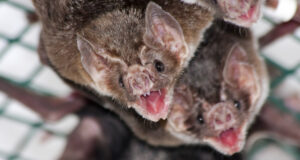


If you’re hearing fluttering at dusk, light scratching above the ceiling, or catching that strong, musky smell that will not go away, there’s a good chance bats have started using your Lancaster attic as a roost. It usually begins with one small gap along the roofline, soffit, or vent, then quietly grows into a bigger issue once the colony gets comfortable.
AAAC Wildlife Removal of Dallas provides wildlife removal services and handles bat removal in Lancaster, TX with a prevention-first approach that solves the full problem, not just today’s symptoms. We start with a detailed inspection to confirm activity and map every entry point, then use humane exclusion methods to guide bats out safely before sealing and reinforcing the structure to help stop repeat break-ins.
Signs You May Have Bats in Your Lancaster, TX Home
Bats are sneaky, so the first clue is usually something that feels “off” before you ever spot one. If the same sounds and smells keep showing up at the same times of day, it’s worth taking seriously, because bat activity tends to grow once they’ve established a roost.
Common signs include fluttering or light scratching noises in the attic around dusk and just before sunrise, small dark bat droppings (guano) collecting beneath roofline gaps or on attic insulation, and a strong, stale odor that slowly gets worse over time. You may also notice brown or black staining near soffits, vents, or fascia edges from repeated entry, or see bats exiting the roofline at sunset if you watch the home for a few minutes.
Why Bat Problems Need a Specialist (Not a Quick Fix)
Bat issues usually get worse when they’re treated like a one-spot patch job. Repellents, noise devices, bright lights, and random sealing often fail because bats are persistent, and colonies don’t disappear just because something “smells strong” or looks annoying. If even one entry gap stays open, bats can return, or a new group can move right back into the same attic pathways.
The bigger risk is sealing the wrong area at the wrong time. When bats can’t exit properly, they may end up trapped inside walls or attic spaces, which can lead to stronger odors, more contamination, and a stressful situation for everyone in the home. AAAC Wildlife Removal of Dallas takes a prevention-first approach in Lancaster, starting with inspection and humane exclusion, then sealing and reinforcing the structure so the solution holds up long after the last bat is gone.
Our Bat Removal Process in Lancaster, TX
Bat control works best as a step-by-step system, because the goal is not just to get bats out, it’s to keep them from getting back in. AAAC Wildlife Removal of Dallas provides Lancaster wildlife removal with a humane, prevention-first approach that’s built for real homes and real entry points, including attic or walls where bats can quietly roost. If you’re looking for services in Lancaster to deal with a wild animal issue tied to Texas wildlife, our process is designed to solve the full critter problem, not just the noise.
Step 1: Full-Home Inspection & Entry-Point Mapping
We inspect the attic and exterior together, focusing on roofline gaps, soffits, fascia edges, vents, and chimney areas where bats commonly slip in. This is where we confirm where they’re roosting, identify how they’re entering, and map every access point so nothing gets missed.
Step 2: Humane Exclusion Plan
Once we understand the exact entry routes, we set up a controlled exclusion method designed to let bats exit safely without allowing them to re-enter. This keeps the process clean and orderly instead of turning it into a chaotic situation inside your attic.
Step 3: Professional Sealing & Reinforcement
After the bats have cleared out, we seal and reinforce the gaps that allowed access in the first place. This step is what prevents repeat break-ins, especially along vulnerable roofline and vent areas that bats like to reuse season after season.
Step 4: Guano Cleanup & Odor Control (If Needed)
If droppings and odor are present, we can recommend cleanup options to remove contamination and help reduce lingering smells. This may include targeted sanitation and, when necessary, attic restoration steps that support a healthier, cleaner space.
Step 5: Final Walkthrough & Prevention Notes
We walk you through what was done, what was sealed, and what to watch for going forward. You’ll also get practical prevention guidance, so your home stays protected long after the removal is complete, and if needed, we can trap and remove the source of ongoing activity when bats are using the structure repeatedly.
Bat Guano, Odor, and Safety Concerns
Bat droppings (guano) is not just an annoying mess, it’s one of the biggest reasons bat infestations feel “gross” and hard to live with. As guano builds up in attic insulation and along beams, it can create a strong ammonia-like odor that spreads into upper rooms, especially when your attic heats up during warm days in Lancaster. Over time, that buildup can stain surfaces, attract insects, and increase the chance of insulation damage that makes your home less comfortable and less energy-efficient.
It’s also smart to avoid sweeping, vacuuming, or disturbing guano on your own without proper protection and a safe cleanup plan. When droppings are moved around, you can kick up particles into the air, and that’s not something you want circulating in your breathing space. AAAC Wildlife Removal of Dallas can recommend the right next steps after removal, including cleanup and odor control options, so the home feels clean again, not just “quiet.”
Common Entry Points We Find in Lancaster Homes
Most bat infestations start with a small opening that looks harmless from the ground, then turns into a repeat access route once bats learn the pattern. In Lancaster, the most common entry points are usually along the roofline and attic ventilation areas, especially anywhere two building materials meet and create a narrow gap.
Here are the spots we frequently check during a bat inspection:
- Roofline gaps and construction seams along the edge of shingles and decking
- Soffit returns and fascia edges where panels loosen or warp over time
- Attic vents including gable vents, ridge vents, and roof vents
- Chimney flashing gaps and corners where sealing breaks down
- Roof penetrations around pipes, caps, and utility openings
- Old repairs or weathered trim that creates small, repeated access points
The key is that bat-proofing is only as strong as the smallest missed gap, so the inspection and sealing work has to be detailed, not rushed.
Why Choose AAAC Wildlife Removal of Dallas
When you’re dealing with bats in the attic, the real win is not just getting them out, it’s making sure they stay out. AAAC Wildlife Removal of Dallas takes a prevention-first approach for Lancaster wildlife, using careful inspection, humane exclusion, and full-structure sealing so the problem does not turn into a repeat cycle. If you’ve been searching for animal control or pest control help for a persistent critter issue, our process is built to handle the full situation, not just the noise you hear at night.
Here’s what you can expect from our wildlife management team and humane wildlife control services:
- Inspection-first service that confirms activity and maps every entry route
- Humane exclusion methods designed to guide bats out safely
- Professional sealing and reinforcement to help prevent repeat entry
- Clear communication so you understand what we found and what happens next
- Cleanup and attic restoration options when guano, odor, or insulation damage is involved
- Local experience in the Dallas area with processes built for real-world homes, not guesswork
If you want your home back to quiet, clean, and normal, we’ll help you get there with a plan that actually holds up.
Service Area: Bat Removal in Lancaster, TX + Nearby Communities
AAAC Wildlife Removal of Dallas proudly provides bat control in Lancaster, TX, with service designed for the kinds of attic and roofline entry points common across the southern Dallas County area. If you’re in Lancaster and dealing with bats in the attic, we can inspect the home, confirm where they’re getting in, and handle humane exclusion and sealing to help prevent repeat entry.
We also serve nearby communities, so if you’re just outside Lancaster and still dealing with the same bat noises, guano, or odor issues, the process and protection work stays the same: inspection first, controlled removal, then solid exclusion and reinforcement.
Schedule Bat Removal in Lancaster, TX
Ready to get your attic back to quiet, clean, and normal in Lancaster? AAAC Wildlife Removal of Dallas provides animal services designed to solve your wildlife problem, starting with a thorough inspection to confirm exactly where the bats are getting in, followed by humane exclusion and professional sealing to help stop repeat entry.
If you’re dealing with more than bats, we also help with wildlife issues like raccoon removal, squirrel removal, skunk removal, snake removal, bird control, dead animal removal, and rodent control for rat and mouse activity. Give us a call to schedule your bat removal inspection in Lancaster, TX. We’ll explain what we find, walk you through the next steps clearly, and provide wildlife solutions that lock down the entry points that caused the problem in the first place.
Bat Removal FAQs for Lancaster
How do bats get into the attic?
Bats usually enter through small gaps along the roofline, soffits, fascia edges, vents, or chimney areas. Once they find a reliable entry point, they tend to reuse it, which is why detailed inspection and sealing matter so much.
How long does bat removal take?
It depends on the size of the colony, how many entry points are involved, and what sealing work is needed. Most situations follow a clear step-by-step timeline: inspection first, humane exclusion, then sealing and reinforcement.
Is bat removal humane?
Yes. Our approach focuses on humane exclusion, which allows bats to exit safely without trapping them inside. The goal is a controlled solution that clears the home and prevents re-entry.
What should I do if a bat is inside my living space?
Keep people and pets away from the bat, close off interior doors to limit where it can go, and avoid trying to catch it with bare hands. If there’s any chance of contact, treat it seriously and call a professional for guidance.
Do you seal the home to prevent bats from coming back?
Yes. Sealing and reinforcement is a core part of proper bat control, because removal without exclusion is how repeat infestations happen. We focus on closing every access route we find during the inspection.