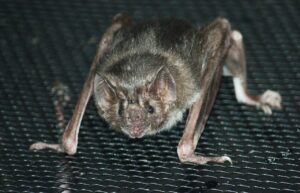


Bats in the attic can go from “weird noises at night” to a real home headache fast. In Cedar Hill, it usually starts around rooflines, vents, soffits, and other small gaps that are easy to miss until guano shows up, the smell kicks in, or you catch bats slipping out at dusk. The goal is not just to get them out once, it’s to stop the cycle so you are not dealing with the same problem again a few weeks later.
AAAC Wildlife Removal of Dallas handles bat removal in Cedar Hill, TX with an exclusion-first approach designed for a lasting fix. We inspect the structure to find entry points and roost areas, remove the bats safely and humanely, then seal and reinforce the vulnerable spots that allowed access in the first place. If cleanup is needed after the bats are gone, we can also guide you through the next steps so your attic feels fully resolved, not just quieter.
Why Cedar Hill Homeowners Call for Bat Removal
Most Cedar Hill bat problems start quietly, then get loud fast. You might hear light scratching or squeaking around dusk and dawn, notice a faint ammonia-like odor in the hallway near the attic access, or spot small droppings collecting below a roofline gap. Sometimes the giveaway is simple: you see bats slipping out near sunset from the same corner of the roof, night after night.
Bats do not need a big hole to move in. Tiny construction gaps around gable vents, roof returns, fascia edges, soffit intersections, and loose flashing can be all it takes, especially on homes with warm attic spaces and easy access points. Once a roost is established, the mess builds up, the smell gets stronger, and the chance of repeat entry climbs if the real entry routes are not identified and sealed.
The reason homeowners call sooner instead of later is simple: the longer bats stay, the more complicated the cleanup and prevention becomes. Guano can contaminate insulation, odors can drift into living areas, and a small issue can turn into a recurring one if exclusion is not done correctly. A proper inspection and exclusion plan keeps the situation controlled, protects your household, and focuses on a fix that actually lasts.
Safety and Health Risks From Bats and Guano
Bat issues are not just about noise or “something flying around the attic.” The biggest concern is direct contact, because bats can carry rabies, and even a small bite or scratch can be hard to notice in the moment. That risk jumps if a bat ends up in a living space, especially in a bedroom, or if kids or pets might try to catch it. Treating every bat encounter seriously is the safest move, even when the bat looks weak, small, or harmless.
Guano creates a different kind of problem, and it tends to get worse the longer a colony stays put. Droppings and urine can soak into insulation, stain wood, and create a strong ammonia-like odor that can drift through vents and ceiling gaps. Disturbing dried guano can also kick particles into the air, which is why people often bring up histoplasmosis when talking about bat droppings. The practical takeaway is simple: cleanup should be handled with the right protective steps, not a shop vac and a mask you found in the garage.
DIY removal also has a habit of turning one problem into three. Using traps, blocking holes too early, or trying to chase bats out can leave bats stuck inside walls, push them into new areas of the home, or cause them to find another exit into your living space. A controlled exclusion plan keeps the process safe, humane, and predictable, while sealing work prevents the “they’re back again” cycle that frustrates homeowners the most.
Our Bat Removal Process in Cedar Hill, TX
Step 1: Full-Home Inspection
We start by confirming the full story, not just the obvious noise, so we can identify the specific wildlife problem and build the right plan to get rid of bats. That means inspecting attic spaces and the exterior roofline to locate roost areas, identify guano buildup, and map every entry point bats are using. We focus on the spots that commonly get overlooked like gable vents, soffit intersections, fascia edges, roof returns, chimney areas, and any construction gaps that create an easy squeeze-in route for a critter that knows how to stay hidden.
Step 2: Humane Exclusion Plan
Once we know where bats are entering and how the structure is behaving, we build an exclusion plan that guides bats out safely without trapping them inside. This usually involves one-way exit devices that allow bats to leave and not re-enter, paired with a clear plan for what gets sealed and when. Timing matters with bats, so we factor in seasonal conditions and handle the nuisance the right way with professional bat removal methods that prioritize safety and compliance.
Step 3: Removal and Monitoring
After the exclusion devices are in place, we monitor the activity to make sure the home is clearing the way it should. The goal is simple: confirm bats have exited, confirm no new activity is occurring, and make adjustments if the structure needs it. This verification step is what keeps the process controlled, supports animal control best practices, and prevents a rushed seal that accidentally leaves bats stuck inside.
Step 4: Sealing and Bat-Proofing
Once we confirm the bats are out, we seal the entry points and reinforce vulnerable areas using wildlife-grade materials. This is the difference between a temporary fix and a long-term solution, because bats are excellent at returning to familiar roosts if the same access points stay available. We focus on durability and coverage to reduce future wildlife damage, protect your attic, and prevent the kind of ongoing wildlife damage that can spread into insulation, vents, and roofline gaps.
Step 5: Cleanup and Restoration (If Needed)
If guano has built up, we can address cleanup needs so your attic feels fully resolved, not just quieter. That can include removing contaminated material, treating affected areas to reduce odor, and guiding next steps for insulation concerns when needed. If you are also comparing options like pest control for other issues, we can explain where bat work is different and why exclusion plus sealing is the right fix for this type of nuisance.
Cedar Hill-Specific Factors That Affect Bat Activity
Cedar Hill has a mix of wooded pockets, green space, and neighborhoods where attics stay warm and undisturbed, which is basically bat-friendly real estate. Homes near tree cover and natural corridors often see more evening flight activity, and it only takes one small gap along a roofline or vent for that activity to turn into a roost. Add in the fact that many attic spaces have stable temperatures and minimal foot traffic, and you can see why bats tend to settle in quietly and stay consistent.
Seasonality also plays a big role in how bat removal should be handled. Timing matters because maternity season can change the right approach, especially if young bats are present and not able to fly yet. This is one of the biggest reasons exclusion needs to be planned instead of rushed, since the goal is a humane removal that clears the home without creating a bigger mess or an unnecessary wildlife problem.
Cedar Hill homes also have a few repeat “weak spot” patterns we see across North Texas. Gable vents, soffit intersections, fascia edges, roof returns, and small construction gaps around roofline transitions are common entry routes because they look sealed from the ground but leave tiny openings up close. A detailed inspection that treats the whole structure, not just the loud corner, is what helps catch those subtle points and prevent repeat entry.
Signs You Might Have Bats in the Attic
Bats can be sneaky, so the easiest way to spot a real issue is to look for patterns and physical evidence. Here are the most common signs Cedar Hill homeowners notice when bats have moved into the attic:
- Noises around dusk and dawn, like light scratching, fluttering, or faint chirping
- Repeating activity from the same ceiling area or the same roofline corner
- Guano collecting beneath a suspected entry point, along attic beams, or near insulation
- Dark staining or greasy rub marks around vents, fascia edges, soffit intersections, or roof returns
- A sharp, ammonia-like odor that gets stronger in warm weather or when air circulates
- Bats exiting near sunset from the same spot on the roofline, gable vent, or chimney area
- Increased insect activity near the roofline at night, especially around openings
What to Do If You Find a Bat Inside Your Home
Finding a bat inside your living space can feel chaotic, but the goal is to keep it controlled and safe. Bats can end up indoors through an open door, a fireplace, or an interior gap connected to the attic, and trying to swat or grab one usually makes things worse. The safest move is to keep distance, limit where it can fly, and avoid direct contact.
Here’s what to do right away:
- Keep people and pets away from the bat
- Close interior doors to contain it in one room
- Turn on lights if needed so you can track where it lands
- Do not touch it with bare hands, even if it looks tired or harmless
- Avoid chasing it through the house since that increases accidental contact
If the bat was found in a bedroom or in a room where someone was sleeping, treat it as a potential exposure situation. In that case, the smart move is to keep the bat contained if possible and call for guidance on the safest next steps. AAAC Wildlife Removal of Dallas can help you handle the immediate removal safely, then figure out how it got inside so the problem does not repeat.
Why Choose AAAC Wildlife Removal of Dallas
Bat removal only feels “easy” when someone skips the hard parts, and that is exactly how homeowners end up with repeat problems. AAAC Wildlife Removal of Dallas focuses on a complete solution in Cedar Hill, not a one-night fix. We lead with a detailed inspection, build a clear exclusion plan, and handle the sealing work that keeps bats from using the same entry routes again.
You also get a process that stays calm and predictable from start to finish. We explain what we found, where bats are getting in, and what the removal and bat-proofing steps look like for your specific home. That clarity matters because every roofline has different weak spots, and bat work needs the details handled correctly to stay safe and humane.
If the attic needs attention after the bats are out, we can guide you through cleanup and restoration steps so the space feels fully resolved. That can include guano concerns, odor control, and what to do when insulation has been impacted. The end goal is simple: a safer home, a cleaner attic, and a fix that lasts.
Service Area Coverage Near Cedar Hill
AAAC Wildlife Removal of Dallas provides bat control in Cedar Hill, TX and serves nearby communities throughout Southwest Dallas County. If you are close to Cedar Hill and noticing attic noises, guano, or bats exiting near your roofline at dusk, we can help you get clarity fast with a proper inspection and a plan that fits your home.
Our process focuses on safe, humane exclusion and long-term prevention, not a temporary quick fix. We identify how bats are getting in, guide them out cleanly, then seal and reinforce the vulnerable spots so your home stays protected through the next season and beyond.
Schedule Your Bat Inspection in Cedar Hill, TX
If you suspect bats are in your attic, the fastest way to stop the stress is to get a proper inspection and a real exclusion plan. AAAC Wildlife Removal of Dallas provides bat removal services in Cedar Hill, TX with a safety-first, humane process that focuses on removing the bats and sealing the entry points so the problem does not come right back, protecting you from the kind of damage to your home that can escalate when wildlife gets comfortable.
If you also need help beyond bats, our team can coordinate wildlife control services like raccoon removal, squirrel removal, rodent control, bird control, rat removal, snake removal, and dead animal removal, so you are not juggling multiple contractors. Ready to get your home back to normal? Schedule a bat inspection today, or call now for fast help and clear next steps.
FAQs About Bat Removal in Cedar Hill, TX
Are bats protected, and can they be removed any time of year?
Bats can be protected depending on the species and season, and removal methods often need to follow humane guidelines. Timing can matter a lot during maternity season, so the safest approach is a plan that matches the season and the situation in your home.
How long does the bat removal process take?
Most jobs depend on how bats are entering, how many access points exist, and how much sealing is needed. Exclusion also involves verification time to confirm bats have fully cleared before the final seal-up.
Will bats come back after you remove them?
They can return if even one entry point stays open or a nearby weak spot is not reinforced. That is why exclusion plus sealing and bat-proofing is the standard for a lasting fix.
Can you remove bats without harming them?
Yes. A humane exclusion-first approach is designed to guide bats out safely and prevent re-entry rather than trapping or harming them.
Do you handle guano cleanup and insulation issues?
Cleanup needs vary by attic conditions and how long bats have been present. If guano or soiled insulation is involved, we can explain what needs to happen and walk you through the restoration options.